Tracks That Support Smooth Daily Operation
Track Repair and Replacement in Denver for doors with damaged, worn, or obstructed track surfaces
Sliding door tracks develop damage from years of roller contact, accumulation of dirt and debris, and exposure to moisture that causes corrosion in the metal channels. Tracks with dents, deep grooves, or warped sections create resistance points that prevent smooth door movement even when rollers are in good condition. Full Moxie Sliding Glass Door Repair assesses track surface condition, identifies areas where damage prevents proper roller contact, and provides professional repair or replacement based on the severity of wear throughout residential properties in Denver, Thornton, Aurora, and the surrounding metro areas.
Track service involves cleaning debris from the channel, straightening minor dents that obstruct roller movement, or removing and replacing the entire track assembly when damage is too extensive for effective repair. New track installations use durable materials designed to withstand the repetitive load of daily door operation and resist corrosion from moisture exposure common in Colorado's variable climate.
Request an inspection for doors that stick in certain positions or produce grinding sounds during movement.
What Track Replacement Actually Accomplishes
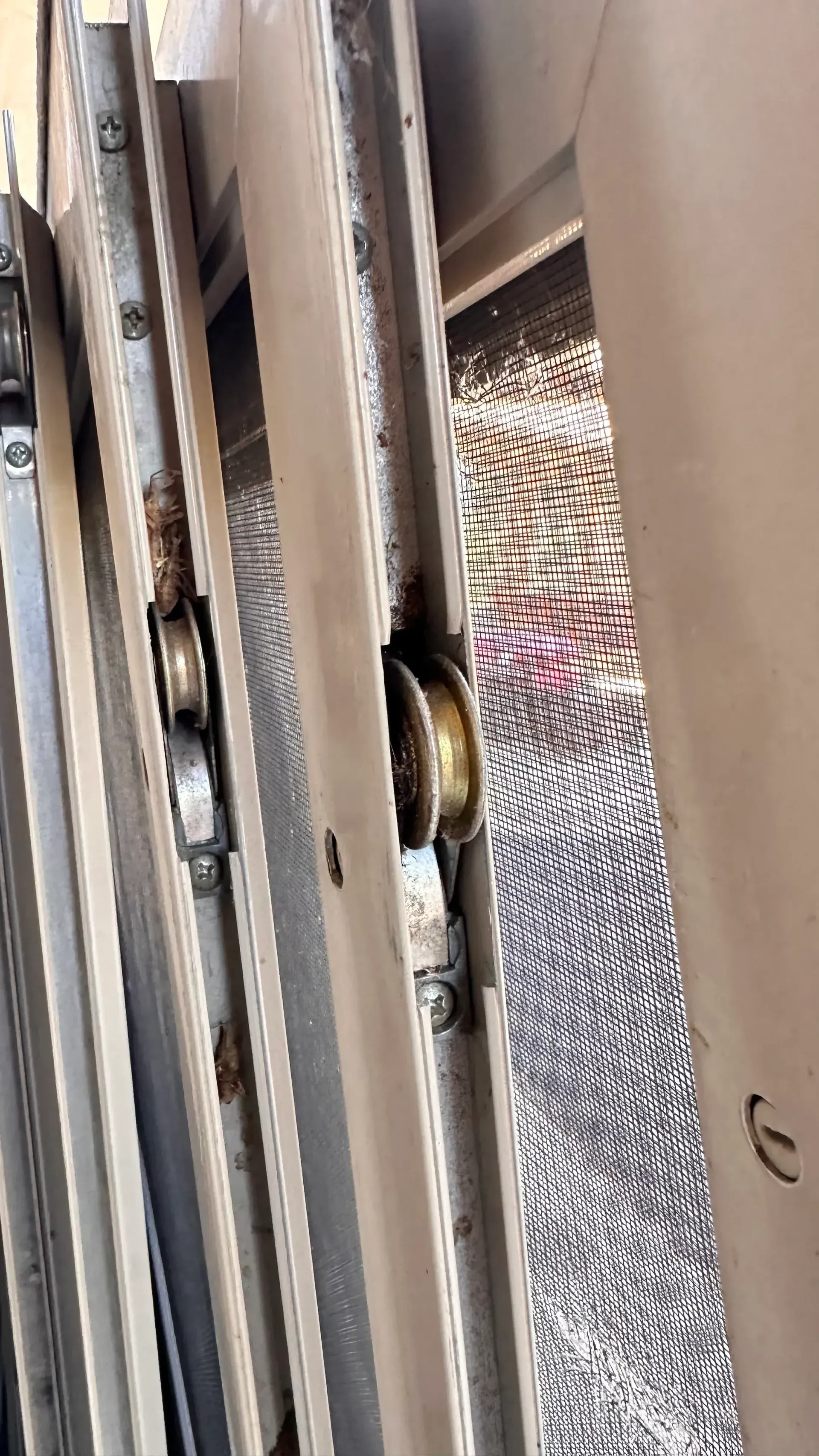
Track repair begins with removing accumulated dirt, pebbles, and oxidation from the channel to expose the metal surface and assess the extent of damage. Minor surface irregularities can be filed smooth, and small dents can be straightened to restore a level rolling surface, but tracks with deep grooves worn by failed rollers or sections bent from impact typically require full replacement. Replacement tracks are cut to precise length, secured to the door frame, and leveled to ensure the door panel travels without binding or tilting.
After track repair or replacement, the door moves consistently along its entire path without catching or requiring extra force at specific points. Rollers maintain constant contact with a smooth surface, eliminating the jerky motion and noise caused by wheels dropping into grooves or climbing over debris. Doors that previously derailed or jumped the track now remain securely positioned throughout the full range of motion.
Replacing damaged tracks also prevents premature wear on new rollers by providing the even surface necessary for proper wheel rotation. Corroded or pitted tracks create uneven friction that causes rollers to wear faster on one side, leading to tilted door operation and the need for more frequent roller replacement if the track isn't addressed.

Common Questions About This Service
Understanding how track condition affects door performance helps homeowners recognize when repair or replacement is necessary.
What damages sliding door tracks beyond normal wear?
Tracks suffer damage from forceful door operation when rollers have already failed, impact from objects dropped into the channel, and corrosion from water exposure through gaps in weatherstripping. Attempting to force a stuck door often bends the track rather than freeing the obstruction.
How does track damage affect door operation differently than worn rollers?
Damaged tracks create localized resistance at specific points along the door's path, causing it to stick or catch in certain positions, while worn rollers create consistent difficulty across the entire sliding range. Identifying which component causes the problem determines the correct repair approach.
Can tracks be repaired or do they always need replacement?
Minor dents and surface irregularities can often be straightened and smoothed to restore function, but tracks with deep wear grooves, multiple bends, or significant corrosion require replacement to provide a reliable rolling surface. The depth and extent of damage guide the repair decision.
Why do tracks in Denver homes corrode or deteriorate?
Colorado's dry climate combined with occasional heavy snow and rapid temperature shifts causes moisture to condense in track channels, where it sits against the metal and promotes rust formation. Tracks on exterior-facing doors experience more severe corrosion than interior applications due to direct weather exposure.
What material should replacement tracks be made from?
Aluminum tracks provide corrosion resistance and long-term durability for most residential sliding door applications, while steel tracks offer greater strength for heavier commercial-grade doors. Material selection depends on door weight, exposure conditions, and expected service life.
Full Moxie Sliding Glass Door Repair provides track repair and replacement services that restore proper alignment and smooth door movement. Arrange an on-site evaluation to determine whether your door's track can be repaired or requires replacement for reliable performance.